NewsBreed™ Feature news

Showing posts with label health. Show all posts

DOES CYPRIAN F. EDWARD-EKPO BOOK’S SIX ‘DECADES OF A MISSING PRESIDENT’ TRULY DEFINES THE SOLUTION TO THE PROBLEMS?


Amongst the many problems that seem to have slowed growth and developmental projects in Nigeria, is poor Leadership. Nigeria has been shaken by the impact of extreme poverty with huge domestic and foreign debts, an upsurge of a plethora of social vices – terrorism, genocidal killings, kidnapping, incessant ethno-religious violence, bereavement of health system, mental health problems manifesting suicide, among other conditions that demonstrate failure of government and a large gap between the governing authority and the citizenry, the Rule of law, knowledge system, competence and patriotism.

After the civil unrest tagged “End SARS protest” that gripped the country in October 2020 along with exacerbated terror actions and geo-ethno groups’ violence and killings with accentuated economic failures and administrative incompetence.

As Nigeria prepare to go to the ballot, a lot of questions abound on who would eventually hold the mantle of Leadership. And what are the possibilities of a  different spice to where Nigerians are agitating for?

In his recent book titled ‘SIX DECADES A MISSING PRESIDENT’, Cyprian F. Edward-Ekpo who is a Registrar of the International Institute for Humanitarian & Environmental Law, and legal researcher, scholar, and human rights advocate – dotted key issues that have labeled around Nigeria’s decade-long problems.

He approached the book with some untold Story Why Nigeria Fails, and Atiku Abubakar’s Rethinking of Link between Governance Agenda and Nigeria’s Renaissance. He scribbled some detailed directions to go; and further gave credence to Former Vice President and Presidential Candidate, Atiku’s Five-Point Agenda. His Manifesto on how to restore seems to have won his analytical appreciation.

In the book’s seventh chapter, Cyprian F. Edward-Ekpo touched on the pragmatic sense of Atiku’s Five-Point Agenda is examined – on how he hopes to achieve the same, and what methodology for the achievement. The Agenda has stated its commitment to achievement through:

– Restoration of Nigeria’s unity through equity, social justice as well as cooperation and consensus amongst heterogeneous people.

– Establishment of a strong and effective democratic government that guarantees the safety and security of life and property.

– Building a strong, resilient, and prosperous economy that creates jobs and wealth and lift the poor out of poverty.

– Improvement and strengthening of the education system to equip its recipients with the education and skills required to be competitive in the new global order which is driven by innovation, science, and technology and to lead healthy, productive, and meaningful lives.

– In his Conclusion, he agreed that it seems that credibility and pragmatism contained in Atiku Abubakar’s Five-Point Agenda with regards to resolving the endemic problems of Nigeria are hidden particularly from those who only see in the general norm than analytical values and practicality. What are the social conditions that are responsible for the prospects of the Five-Point Agenda to be hidden from a vast majority of Nigerians is an important social question.

Learn more »

Slim for Life

 Whether you're in your 20s, 30s, 40s, or beyond, we've got the foods you need to stay healthy and fit. Read on for your personalized nutrition plan.

Cereal for breakfast. A turkey sandwich for lunch. Chicken for dinner. If this sounds like your
daily menu, it's time to shake things up. "Just as your lifestyle changes in each decade, so do your nutritional needs," says Melina B. Jampolis, MD, an internist and author of The Busy Person's Guide to Permanent Weight Loss. "For example, a twentysomething needs to take calcium and vitamin D for strong bones, while a woman in her 40s should eat plenty of lean protein to help maintain muscle mass." Dig into the tips, tools, and meal plans you need to stay slim, strong, and healthy at every age.
What to Eat in Your 20s

The challenge: You're pressed for time.

"Women in their 20s are notoriously unhealthy eaters because they frequently consume the majority of their meals on the run," says FITNESS advisory board member Madelyn Fernstrom, PhD, director of the University of Pittsburgh Weight Management Center. Trouble is, the more you grab food on the go, the more fat you take in, research shows. Plus, a diet that's low in vitamins and nutrients now may eventually lead to serious health problems, like heart disease and osteoporosis.
Your Diet To-Do List

Bone up on calcium and vitamin D. "This is the last decade in which you can build bone mass without bone loss, a process that begins in your 30s," Fernstrom says. Aim for 1,000 milligrams of calcium (one serving of dairy, such as a cup of yogurt or 1 1/2 ounces of cheese, provides roughly 300 to 400 milligrams) and up to 1,000 IU of vitamin D daily. Since it can be tough to get enough D from food alone, your best bet is a combination of foods, such as salmon and canned tuna in oil, and supplements. Look for a dual supplement made from easy-to-absorb calcium citrate and vitamin D3.

Fish for happiness. Long hours at the office and a fully booked social calendar can result in chronic stress, which "can raise blood pressure, promote weight gain, and cause mood swings," says FITNESS advisory board member Mark A. Moyad, MD, director of preventive and alternative medicine at the University of Michigan Medical Center. "Research shows that eating 500 to 1,000 milligrams of omega-3 fatty acids daily can lessen the damage." These good-for-you fats, found in fish, nuts, and seeds, reduce inflammation and improve the health of your brain cells, helping to elevate your mood and protect against depression. In fact, people with the highest levels of omega-3s were significantly happier than those with lower levels, according to a study at the University of Pittsburgh.

Go for the right grains. "Eating too many refined carbohydrates causes drastic swings in blood sugar, which can sap your energy and leave you feeling cranky," Dr. Jampolis says. Instead, choose whole-grain breads, pasta, cereal, and rice. Aim for three to six servings daily for a steady supply of fuel as well as the recommended 25 to 30 grams of fiber you need each day (most Americans get only about half that amount). Bonus: The fiber will help keep you full and satisfied longer, so you'll be less likely to munch on empty calories.
Your Recipes for Success

Breakfast
Veggie frittata: Cook 1 omega-3 egg scrambled with 2 egg whites, 1/4 cup thawed frozen broccoli, 1/4 cup sliced mushrooms, and 1 sliced scallion in 1 tablespoon canola oil until set (8 to 10 minutes). Top with 2 tablespoons grated Parmesan cheese.
2 slices whole-grain toast
8 ounces calcium- and vitamin D-fortified OJ

Lunch
Salmon burger on a whole wheat bun with chive mayo (mix 1 tablespoon canola mayo with 1 teaspoon chives) and cucumber and tomato slices
1 cup grapes

Snack
Whole-grain energy bar and a nonfat latte

Dinner
Spicy pasta: Saute 1 chopped garlic clove, 1 chopped tomato, 1 teaspoon capers, and a pinch red pepper in 1 tablespoon olive oil. Serve over 1 1/2 cups cooked whole wheat pasta with 2 tablespoons feta cheese.
1/2 cup vanilla pudding topped with
2 tablespoons mini chocolate chips

Nutrition facts (for the day): 1,938 calories, 91g protein, 252g carbohydrate, 72g fat (19g saturated), 28g fiber
Learn more »

45 best health tips ever you need to know


We've done the legwork for you and here they are: the 45 best health tips. Give yourself a boost.

We've done the legwork for you and here they are: the 45 best health tips. Make that 46 - taking the time to read this tops the list.

1. Copy your kitty: Learn to do stretching exercises when you wake up. It boosts circulation and digestion, and eases back pain.

2. Don’t skip breakfast: Studies show that eating a proper breakfast is one of the most positive things you can do if you are trying to lose weight. Breakfast skippers tend to gain weight. A balanced breakfast includes fresh fruit or fruit juice, a high-fibre breakfast cereal, low-fat milk or yoghurt, wholewheat toast, and a boiled egg.

3. Brush up on hygiene: Many people don't know how to brush their teeth properly. Improper brushing can cause as much damage to the teeth and gums as not brushing at all. Lots of people don’t brush for long enough, don’t floss and don’t see a dentist regularly. Hold your toothbrush in the same way that would hold a pencil, and brush for at least two minutes. This includes brushing the teeth, the junction of the teeth and gums, the tongue and the roof of the mouth. And you don't need a fancy, angled toothbrush – just a sturdy, soft-bristled one that you replace each month.

4. Neurobics for your mind: Get your brain fizzing with energy. American researchers coined the term ‘neurobics’ for tasks which activate the brain's own biochemical pathways and to bring new pathways online that can help to strengthen or preserve brain circuits. Brush your teeth with your ‘other’ hand, take a new route to work or choose your clothes based on sense of touch rather than sight. People with mental agility tend to have lower rates of Alzheimer's disease and age-related mental decline.

5. Get what you give! Always giving and never taking? This is the short road to compassion fatigue. Give to yourself and receive from others, otherwise you’ll get to a point where you have nothing left to give. And hey, if you can’t receive from others, how can you expect them to receive from you?

6. Get spiritual : A study conducted by the formidably sober and scientific Harvard University found that patients who were prayed for recovered quicker than those who weren’t, even if they weren’t aware of the prayer.

7. Get smelly: Garlic, onions, spring onions and leeks all contain stuff that’s good for you. A study at the Child’s Health Institute in Cape Town found that eating raw garlic helped fight serious childhood infections. Heat destroys these properties, so eat yours raw, wash it down with fruit juice or, if you’re a sissy, have it in tablet form.

8. Knock one back : A glass of red wine a day is good for you. A number of studies have found this, but a recent one found that the polyphenols (a type of antioxidant) in green tea, red wine and olives may also help protect you against breast cancer. It’s thought that the antioxidants help protect you from environmental carcinogens such as passive tobacco smoke.

9. Bone up daily: Get your daily calcium by popping a tab, chugging milk or eating yoghurt. It’ll keep your bones strong. Remember that your bone density declines after the age of 30. You need at least 200 milligrams daily, which you should combine with magnesium, or it simply won’t be absorbed.

10. Berries for your belly: Blueberries, strawberries and raspberries contain plant nutrients known as anthocyanidins, which are powerful antioxidants. Blueberries rival grapes in concentrations of resveratrol – the antioxidant compound found in red wine that has assumed near mythological proportions. Resveratrol is believed to help protect against heart disease and cancer.

11. Curry favour. Hot, spicy foods containing chillies or cayenne pepper trigger endorphins, the feel-good hormones. Endorphins have a powerful, almost narcotic, effect and make you feel good after exercising. But go easy on the lamb, pork and mutton and the high-fat, creamy dishes served in many Indian restaurants.


12. Cut out herbs before ops:  Some herbal supplements – from the popular St John's Wort and ginkgo biloba to garlic, ginger, ginseng and feverfew – can cause increased bleeding during surgery, warn surgeons. It may be wise to stop taking all medication, including herbal supplements, at least two weeks before surgery, and inform your surgeon about your herbal use.

13. I say tomato. Tomato is a superstar in the fruit and veggie pantheon. Tomatoes contain lycopene, a powerful cancer fighter. They’re also rich in vitamin C. The good news is that cooked tomatoes are also nutritious, so use them in pasta, soups and casseroles, as well as in salads. The British Thoracic Society says that tomatoes and apples can reduce your risk of asthma and chronic lung diseases. Both contain the antioxidant quercetin. To enjoy the benefits, eat five apples a week or a tomato every other day.

14. Eat your stress away: Prevent low blood sugar as it stresses you out. Eat regular and small healthy meals and keep fruit and veggies handy. Herbal teas will also soothe your frazzled nerves. Eating unrefined carbohydrates, nuts and bananas boosts the formation of serotonin, another feel-good drug. Small amounts of protein containing the amino acid tryptamine can give you a boost when stress tires you out.

15. Load up on vitamin C:We need at least 90 mg of vitamin C per day and the best way to get this is by eating at least five servings of fresh fruit and vegetables every day. So hit the oranges and guavas!

16. No folly in folic acid: Folic acid should be taken regularly by all pregnant mums and people with a low immunity to disease. Folic acid prevents spina bifida in unborn babies and can play a role in cancer prevention. It is found in green leafy vegetables, liver, fruit and bran.

17. A for Away. This vitamin, and beta carotene, help to boost immunity against disease. It also assists in the healing process of diseases such as measles and is recommended by the WHO. Good natural sources of vitamin A are kidneys, liver, dairy products, green and yellow vegetables, pawpaw, mangoes, chilli pepper, red sorrel and red palm oil.

18. Pure water: Don’t have soft drinks or energy drinks while you're exercising. Stay properly hydrated by drinking enough water during your workout (just don't overdo things, as drinking too much water can also be dangerous). While you might need energy drinks for long-distance running, in shorter exercise sessions in the gym, your body will burn the glucose from the soft drink first, before starting to burn body fat. Same goes for eating sweets.

19. GI, Jane. Carbohydrates with a high glycaemic index, such as bread, sugar, honey and grain-based food will give instant energy and accelerate your metabolism. If you’re trying to burn fat, stick to beans, rice, pasta, lentils, peas, soya beans and oat bran, all of which have a low GI count.

20. Mindful living: You've probably heard the old adage that life's too short to stuff a mushroom. But perhaps you should consider the opposite: that life's simply too short NOT to focus on the simple tasks. By slowing down and concentrating on basic things, you'll clear your mind of everything that worries you. Really concentrate on sensations and experiences again: observe the rough texture of a strawberry's skin as you touch it, and taste the sweet-sour juice as you bite into the fruit; when your partner strokes your hand, pay careful attention to the sensation on your skin; and learn to really focus on simple tasks while doing them, whether it's flowering plants or ironing your clothes.

21. The secret of stretching :When you stretch, ease your body into position until you feel the stretch and hold it for about 25 seconds. Breathe deeply to help your body move oxygen-rich blood to those sore muscles. Don't bounce or force yourself into an uncomfortable position.

22. Do your weights workout first: Experts say weight training should be done first, because it's a higher intensity exercise compared to cardio. Your body is better able to handle weight training early in the workout because you're fresh and you have the energy you need to work it. Conversely, cardiovascular exercise should be the last thing you do at the gym, because it helps your body recover by increasing blood flow to the muscles, and flushing out lactic acid, which builds up in the muscles while you're weight training. It’s the lactic acid that makes your muscles feel stiff and sore.

23. Burn fat during intervals:  To improve your fitness quickly and lose weight, harness the joys of interval training. Set the treadmill or step machine on the interval programme, where your speed and workload varies from minute to minute. Build up gradually, every minute and return to the starting speed. Repeat this routine. Not only will it be less monotonous, but you can train for a shorter time and achieve greater results.

24. Your dirtiest foot forward: If your ankles, knees, and hips ache from running on pavement, head for the dirt. Soft trails or graded roads are a lot easier on your joints than the hard stuff. Also, dirt surfaces tend to be uneven, forcing you to slow down a bit and focus on where to put your feet – great for agility and concentration.

25. Burn the boredom, blast the lard. Rev up your metabolism by alternating your speed and intensity during aerobic workouts. Not only should you alternate your routine to prevent burnout or boredom, but to give your body a jolt. If you normally walk at 6.5km/h on the treadmill or take 15 minutes to walk a km, up the pace by going at 8km/h for a minute or so during your workout. Do this every five minutes or so. Each time you work out, increase your bouts of speed in small increments.

26. Cool off without a beer: Don’t eat carbohydrates for at least an hour after exercise. This will force your body to break down body fat, rather than using the food you ingest. Stick to fruit and fluids during that hour, but avoid beer.

27. ‘Okay, now do 100 of those’. Instead of flailing away at gym, enlist the help – even temporarily – of a personal trainer. Make sure you learn to breathe properly and to do the exercises the right way. You’ll get more of a workout while spending less time at the gym.

28. Stop fuming: Don’t smoke and if you smoke already, do everything in your power to quit. Don’t buy into that my-granny-smoked-and-lived-to-be-90 crud – not even the tobacco giants believe it. Apart from the well-known risks of heart disease and cancer, orthopaedic surgeons have found that smoking accelerates bone density loss and constricts blood flow. So you could live to be a 90-year-old amputee who smells of stale tobacco smoke. Unsexy.

29. Ask about Mad Aunt Edith. Find out your family history: You need to know if there are any inherited diseases prowling your gene pool. According to the Mayo Clinic, USA, finding out what your grandparents died of can provide useful – even lifesaving – information about what’s in store for you. And be candid, not coy: 25 percent of the children of alcoholics become alcoholics themselves.

30. Do self-checks: Do regular self-examinations of your breasts. Most partners are more than happy to help, not just because breast cancer is the most common cancer among SA women. The best time to examine your breasts is in the week after your period.

31. My smear campaign: Have a pap smear once a year. Not on our list of favourite things, but it’s vital. Cervical cancer kills 200 000 women a year and it’s the most prevalent form of cancer among black women, affecting more than 30 percent. But the chances of survival are nearly 100 percent if it’s detected early. Be particularly careful if you became sexually active at an early age, have had multiple sex partners or smoke.

32. Understand hormones: Recent research suggests that short-term (less than five years) use of HRT is not associated with an increase in the risk of breast cancer, but that using it for more than ten years might be. Breast cancer is detected earlier in women using HRT, as they are more alert to the disease than other women.

32. Beat the sneezes: There are more than 240 allergens, some rare and others very common. If you’re a sneezer due to pollen: close your car’s windows while driving, rather switch on the internal fan (drawing in air from the outside), and avoid being outdoors between 5am and 10 am when pollen counts are at their highest; stick to holidays in areas with low pollen counts, such as the seaside and stay away from freshly cut grass.

33. Doggone: If you’re allergic to your cat, dog, budgie or pet piglet, stop suffering the ravages of animal dander: Install an air filter in your home. Keep your pet outside as much as possible and brush him outside of the home to remove loose hair and other allergens. Better yet, ask someone else to do so.

34. Asthma-friendly sports: Swimming is the most asthma-friendly sport of all, but cycling, canoeing, fishing, sailing and walking are also good, according to the experts. Asthma need not hinder peak performance in sport. 11 percent of the US Olympic team were asthmatics – and between them they won 41 medals.

35. Deep heat: Sun rays can burn even through thick glass, and under water. Up to 35 percent of UVB rays and 85 percent of UVA rays penetrate thick glass, while 50 percent of UVB rays and 77 percent of UVA rays penetrate a meter of water and wet cotton clothing. Which means you’ll need sunscreen while driving your car on holiday, and water resistant block if you’re swimming.

36. Fragrant ageing: Stay away from perfumed or flavoured suntan lotions which smell of coconut oil or orange if you want your skin to stay young. These lotions contain psoralen, which speeds up the ageing process. Rather use a fake-tan lotion. Avoid sun beds, which are as bad as the sun itself.

37. Sunscreen can be a smokescreen :Sunscreen is unlikely to stop you from being sunburned, or to reduce your risk of developing skin cancer. That’s because most people don’t apply it properly, and stay in the sun too long. The solution? Slather on sunscreen daily and reapply it often, especially if you’ve been in the water. How much? At least enough to fill a shot glass.

38. Laugh and cry: Having a good sob is reputed to be good for you. So is laughter, which has been shown to help heal bodies, as well as broken hearts. Studies in Japan indicate that laughter boosts the immune system and helps the body shake off allergic reactions.

39. It ain’t over till it’s over: End relationships that no longer work for you, as you could be spending time in a dead end. Rather head for more meaningful things. You could be missing opportunities while you’re stuck in a meaningless rut, trying to breathe life into something that is long gone.

40. Strong people go for help: Ask for assistance. Gnashing your teeth in the dark will not get you extra brownie points. It is a sign of strength to ask for assistance and people will respect you for it. If there is a relationship problem, the one who refuses to go for help is usually the one with whom the problem lies to begin with.

41. Save steamy scenes for the bedroom: Showering or bathing in water that’s too hot will dry out your skin and cause it to age prematurely. Warm water is much better. Apply moisturiser while your skin is still damp – it’ll be absorbed more easily. Adding a little olive oil to your bath with help keep your skin moisturised too.

42. Here’s the rub: Improve your circulation and help your lymph glands to drain by the way you towel off. Helping your lymph glands function can help prevent them becoming infected. When drying off your limbs and torso, brush towards the groin on your legs and towards the armpits on your upper body. You can do the same during gentle massage with your partner.

43. Sugar-coated: More than three million South Africans suffer from type 2 diabetes, and the incidence is increasing – with new patients getting younger. New studies show this type of diabetes is often part of a metabolic syndrome (X Syndrome), which includes high blood pressure and other risk factors for heart disease. More than 80 percent of type 2 diabetics die of heart disease, so make sure you control your glucose levels, and watch your blood pressure and cholesterol counts.

44. Relax, it’s only sex. Stress and sex make bad bedfellows, it seems. A US survey showed that stress, kids and work are main factors to dampen libido. With the advent of technology that allows us to work from home, the lines between our jobs and our personal lives have become blurred. People work longer hours, commutes are longer and work pervades all aspects of our lives, including our sexual relationships. Put nooky and intimacy on the agenda, just like everything else.

45. Good night, sweetheart. Rest heals the body and has been shown to lessen the risk of heart trouble and psychological problems.

Learn more »

101 techniques not to get pregnant


Hmm OK, maybe 101 was a bit of an exaggeration but follow these suggestions and you will stand a good chance of not getting pregnant...

Don't have sex without a condom - If you do you will not only stand a good chance of getting pregnant you will also be at risk of catching a nasty sexually transmitted infection!

Don't miss a daily contraceptive pill - It is advisable to use condoms and the pill together. However, if you do just use the pill you will risk pregnancy if you forget to take one or more. If this happens, you must use condoms and the pill for the rest of the pill cycle.

Don't take your daily contraceptive pill at irregular times - This lowers the effectiveness of the pill so you should always take it at the same time each day.

Don't have unprotected sex during your period - A lot of people think that whilst you are on your period you can't get pregnant... that is totally wrong! So work on the assumption that there is never a "safe time" to have unprotected sex.

Don't think pulling out before ejaculation can prevent pregnancy - Treat a penis like a loaded gun... it's always dangerous, so protect it with a condom at all times!

Don't think that it's OK to rub an unprotected penis around the outside of a vagina - It's still possible for some sperm to get inside.

Don't allow either partner's fingers to touch his penis then enter her vagina - even before ejaculation some sperm can be present.
Don't let fingers that have touched a penis touch the outside of a condom - sperm could be transferred to the condom and then get inside the vagina.

Don't leave a penis inside a vagina too long after ejaculation - It is always best to withdraw straight after ejaculation as a common cause for condoms coming off inside is when the penis has gone down and the condom is no longer a tight fit.


Don't have sex if you think all this is too much to remember! - It's easy to make a mistake in the heat of the moment so make sure this knowledge is second nature so you don't have to think about it!

And finally...
Never underestimate the power of sperm... a small drop of semen on the end of a man's penis carries enough sperm to fertilise all the women in Columbia! In case your geography is not that hot, we are talking around 18 million babies!
Learn more »

7 Foods That You Should Never Eat Again !!!

White bread, refined flours: 

By definition, white bread and refined flours in general are toxic for your body because they have been stripped of virtually all vitamins, minerals, fiber, and other important nutrients. Because of this, the body does not know how to properly digest and assimilate these so-called foods, which can lead to health problems. Refined white flour has also been bleached with chlorine and brominated with bromide, two poisonous chemicals that have been linked to causing thyroid and organ damage


Conventional frozen meals :

Most conventionally-prepared frozen meals are loaded with preservatives, processed salt, hydrogenated oils and other artificial ingredients, not to mention the fact that most frozen meals have been heavily pre-cooked, rendering their nutrient content minimal at best (especially after getting microwaved again at home). With the exception of a few truly healthy frozen meal brands such as Amy’s and Organic Bistro, most frozen meals are little more than disease in a box, so avoid them in favor of fresh foods.

White rice :

Like white bread, white rice has been stripped of most of its nutrients, and separated from the bran and germ, two natural components that make up rice in its brown form. Even so-called “fortified” white rice is nutritionally deficient, as the body still processes this refined food much differently than brown rice, which is absorbed more slowly and does not cause the same spike in blood sugar that white rice does.


Microwaveable popcorn :

 This processed food is a favorite among moviegoers and regular snackers alike, but it is one of the unhealthiest foods you can eat. Practically every component of microwaveable popcorn, from the genetically-modified (GM) corn kernels to the processed salt and preservative chemicals used to enhance its flavor, is unhealthy and disease-promoting. On top of this, microwaveable popcorn contains a chemical known as diacetyl that can actually destroy your lungs. If you love popcorn, stick with organic kernels that you can pop yourself in a kettle and douse with healthy ingredients like coconut oil, grass-fed butter, and Himalayan pink salt.

Cured meat products with nitrates, nitrites :

      Deli meats, summer sausage, hot dogs, bacon, and many other meats sold at the grocery
store are often loaded with sodium nitrite and other chemical preservatives that have been linked to causing heart disease and cancer. If you eat meat, stick with uncured, nitrite and nitrate-free varieties, and preferably those that come from organic, grass-fed animals


Most conventional protein, energy bars :


By the way they are often marketed, it might seem as though protein and energy bars are a strong addition to a healthy diet. But more often than not, these meal replacements contain processed soy protein, refined sugar, hydrogenated fat, and other harmful additives that contribute to chronic illness. Not all protein and energy bars are bad, of course — Thunderbird Energetica, Organic Food Bar, Boku Superfood, Vega Sport, PROBAR, and Zing all make healthy protein and energy bars. Just be sure to read the ingredient labels and know what you are buying.


Margarine :

Hidden in all sorts of processed foods, margarine, a hydrogenated trans-fat oil, is something you will want to avoid at all costs for your health. Contrary to popular belief, butter and saturated fats in general are not unhealthy, especially when they are derived from pastured animals that feed on grass rather than corn and soy. And if animal-based fats are not for you, stick with extra-virgin coconut oil or olive oil rather than margarine.
 
Learn more »

Natural Beauty Tips for Pimples(Africa Mystery)


Rustling up a natural skin care regime from the kitchen is quite simple. A dash of this and a pinch of that and voila, you are on the road to clear skin. Dealing with breakouts via natural methods is not only easy, it can be effective and economical.

Nip Pimples in the Bud

Oily skin is a breeding ground for pimples. Try freshening with witch hazel throughout the day. The antiseptic properties cleanse and tone without destroying the skin's natural acid mantle, which is a filmlike barrier created by sebum produced by oil glands. Malfunctioning oil glands that overproduce sebum cause this protective barrier to go awry by clogging clean pores with oil, and clogged pores evolve into pimples. Stripping excess oil with harsh soaps and toners containing high levels of alcohol is a common skincare mistake; the skin automatically responds to stripping by upping oil production. Witch hazel freshens skin and reduces oil. Witch hazel is a simple, inexpensive and natural step toward keeping pimples under better control.


Pimple Control

  Pimple eradication requires consistent care. Extracting debris and bacteria from pores is a necessary step. Avoiding harsh techniques reduces the possibility of lifelong scars. Coax the pores open with a warm washcloth or gentle steam. Cleanse the face before working on pimples and wrap your fingers in cotton before applying pressure to the affected spot. Breakouts spread under unsanitary conditions, so wash your hands before working on the face and sterilize any tools to avoid contamination. Sleep on clean pillowcases and avoid touching your face unnecessarily throughout the day.

Pimple Eradication

 Reducing acne breakouts requires consistency. Cleanse the face each morning and evening without skipping a day. Add special treatments to enhance the routine. A baking soda paste unclogs congested pores by drawing out impurities and excess oil. Simple to use, baking soda is most likely already tucked away in your kitchen. Start your treatment by teasing open pores with warm water and a little steam. Create the paste from one tablespoon of soda and a few drops of distilled water. Apply as a mask, avoiding the eye area and lips. Leave your treatment on for five to 10 minutes, then rinse off with warm water. Pat dry with a clean towel. Mist with witch hazel to tone. Use one to two times per week until skin clears; reduce or discontinue if skin begins to flake.
Learn more »

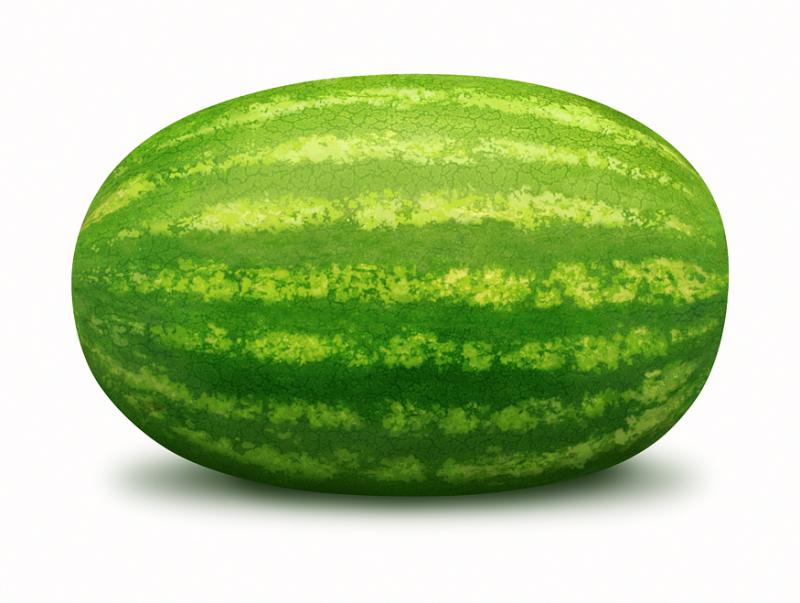
Health Benefits of Watermelon - Nutritional Values of Watermelon


The watermelon is a member of the Cucurbitaceae family,are fruits like cantaloupe, pumpkin and similar plants that grow on vines on the ground. The scientific name for watermelon is Citrullis lanatus. The watermelon fruit, loosely considered a type of melon (although not in the genus Cucumis), has a smooth exterior rind (green, yellow and sometimes white) and a juicy, sweet interior flesh (usually pink, but sometimes orange, yellow, red and sometimes green if not ripe). If you have ever tasted a watermelon, it is probably no surprise toyou why this juicy, refreshing fruit has this name. Watermelon has anextremely high water content, approximately 92%, giving its flesh acrumbly and subtly crunchy texture and making it a favorite thirst-quenching fruit.

Watermelon has always been a good source of vitamins A and C, and provides potassium and fiber. But now consumers have even more reasons to enjoy a sweet fruit. Scientists indicate that watermelon contains high levels of lycopene-an antioxidant that may help the body fight cancer and prevent disease. Found only in select fruits and vegetables, lycopene is very effective at trapping cancer-promoting agents called free-oxygen radicals.

A study conducted by Harvard University found that men who ate lycopene-rich diets of tomatoes and tomato products had a much lower risk of developing certain cancers, especially prosrate cancer. Lycopene is found only in red watermelon varieties. In fact, it gives watermelon its red colour,thus, the redder the watermelon, the more lycopene it contains. We have always known that watermelon offers a number of benefits but as lycopene continues to emerge as a possible important, effective agent in disease prevention. In addition to lycopene, watermelon offers a host of other health benefits. It is fat-free, yet delivers 100 percent on the critical energy component found in functional foods.

Watermelon Calories & Nutrition Facts

There are 46 calories, 1 gram of fiber in one cup of Watermelon.

Nutritional Values of Watermelon (Serving Size: 1 Cup)
Watermelon

    Calories - 46
    Fat - 0 g
    Cholesterol - 0 g
    Carbohydrate - 11 g
    Protein - 1 g
    Dietary Fiber - 1 g
    Sodium - 2 mg
    Vitamin A - 865 IU
    Niacin -    Pantothenic Acid -    Thiamin -    Vitamin B6 -    Vitamin C - 12 mg
    Calcium - 11 mg
    Magnesium - 15 mg
    Potassium - 170 mg
    Carotenoids - 7,481 micrograms

Health Benefits of Watermelon


Watermelon is not only delicious, but extremely healthy, as well. It is an excellent food for weight loss. It is very effective in promoting intestinal elimination, keeping the body free from toxic wastes. Watermelon is not only great on a hot summer day, this delectable thirst-quencher may also help quench the inflammation that contributesto conditions like asthma, atherosclerosis, diabetes, colon cancer, andarthritis. In fact, most melons are rich in potassium, a nutrient that may help control blood pressure, regulate heart beat, and possibly prevent strokes. The 2005 Dietary Guidelines state that a potassium-rich diet helps keep salt from raising blood pressure and may also reduce the risk of developing kidney stones and possibly age-related bone loss.

Sweet, juicy watermelon is actually packed with some of the mostimportant antioxidants in nature. Watermelon is an excellent source of vitamin C and a very good source of vitamin A,notably through its concentration of beta-carotene. Pink watermelon isalso a source of the potent carotenoid antioxidant, lycopene. Thesepowerful antioxidants travel through the body neutralizing freeradicals. Free radicals are substances in the body that can cause agreat deal of damage. They are able to oxidize cholesterol, making itstick to blood vessel walls, where it can lead to heart attack orstroke. They can add to the severity of asthma attacks by causingairways to clamp down and close. They can increase the inflammationthat occurs in osteoarthritis and rheumatoid arthritis and cause mostof the joint damage that occurs in these conditions, and they candamage cells lining the colon, turning them into cancer cells.Fortunately, vitamin C and beta-carotene are very good at getting ridof these harmful molecules and can therefore prevent the damage theywould otherwise cause. As a matter of fact, high intakes of vitamin Cand beta-carotene have been shown in a number of scientific studies toreduce the risk of heart disease, reduce the airway spasm that occursin asthma, reduce the risk of colon cancer, and alleviate some of thesymptoms of osteoarthritis and rheumatoid arthritis. A cup ofwatermelon provides 24.3% of the daily value for vitamin C, and,through its beta-carotene, 11.1% of the DV for vitamin A.

Its juice is easily digestible and are completely absorbed for all its minerals, providing much needed nutrients to the body. The alkalinizing effect maintains the acid-alkaline balance in the body, neutralizing the toxic condition of the body resulting from excessive intake of acid-forming foods. Drawing from the rich anti-oxidant and beta-carotene, the health effects of watermelon juice are immense.

    Asthma: The powerful anti-oxidant in watermelon reduces toxic matters in the body, that in turn reduces asthma attacks. the powerful anti-oxidant in watermelon reduces toxic matters in the body, that in turn reduces asthma attacks. >
    Arthritis: The rich beta-carotene and vitamin C content in this big fruit do wonders in quenching inflammation that contributes to conditions like osteoarthritis or rheumatoid arthritis. the rich beta-carotene and vitamin c content in this big fruit do wonders in quenching inflammation that contributes to conditions like osteoarthritis or rheumatoid arthritis. >
    Bladder problems: Its cleansing and natural diuretic effect is totally healing for kidney and bladder problems problems: its cleansing and natural diuretic effect is totally healing for kidney and bladder problems >
    Cholesterol: Watermelon juice is healthful in preventing cholesterol from clogging arteries and can increase HDL, the good cholesterol, reducing the risks of cardiovascular diseases. watermelon juice is healthful in preventing cholesterol from clogging arteries and can increase hdl, the good cholesterol, reducing the risks of cardiovascular diseases. >
    Constipation: Drink a big glass of watermelon juice. It is very effective in aiding the elimination of wastes. Consuming plenty of this red juice will do a lot of good. drink a big glass of watermelon juice. it is very effective in aiding the elimination of wastes. consuming plenty of this red juice will do a lot of good. >
    Fluid retention: Its diuretic action helps to eliminate excess fluids from the body, reducing water retention, especially for women during their monthly menstruation cycle and in pregnant women. retention: its diuretic action helps to eliminate excess fluids from the body, reducing water retention, especially for women during their monthly menstruation cycle and in pregnant women. >
    Heart attack: The combination of folic acid and the other essential vitamins in this fruit plays an important role in reducing the risks of heart attacks, strokes and colon cancer. attack: the combination of folic acid and the other essential vitamins in this fruit plays an important role in reducing the risks of heart attacks, strokes and colon cancer. >
    Itchiness: As watermelon juice cleanses the body of toxic wastes, it also greatly reduces itchiness that result from toxicity of acidosis. as watermelon juice cleanses the body of toxic wastes, it also greatly reduces itchiness that result from toxicity of acidosis. >
    Prostate Cancer: Lycopene (from red watermelons) has been extensively researched for its anti-oxidant and cancer-preventing properties. It is reported to be especially protective against prostate cancer. cancer: lycopene (from red watermelons) has been extensively researched for its anti-oxidant and cancer-preventing properties. it is reported to be especially protective against prostate cancer. >
    Skin Blemish: Use watermelon externally by applying a small piece liberally on your face. Leave for ten minutes, then wash off with warm water, followed by a splash of cold water. blemish: use watermelon externally by applying a small piece liberally on your face. leave for ten minutes, then wash off with warm water, followed by a splash of cold water. >

Watermelon Facts

    In Vietnamese culture, watermelon seeds are consumed during the Vietnamese New Year's holiday.
    The Oklahoma State Senate passed a bill on 17 April 2007 declaring watermelon as the official state vegetable, with some controversy surrounding whether a watermelon is a fruit.
    The town of Chinchilla in Queensland, Australia holds a biannual festival celebrating all things melon.
    A watermelon contains about 6% sugar and 92% water by weight. As with many other fruits, it is a source of vitamin C.
    Watermelons contain a significant amount of citrulline amino acid.
    Watermelon is also mildly diuretic.
    Watermelons contain large amounts of beta carotene.
    Watermelon with red flesh is a significant source of lycopene.

Learn more »